October 1805 a future Deputy Provincial Grand Master massaged Nelson’s Chest
News stories bringing the history of Essex Freemasons alive to a modern audience
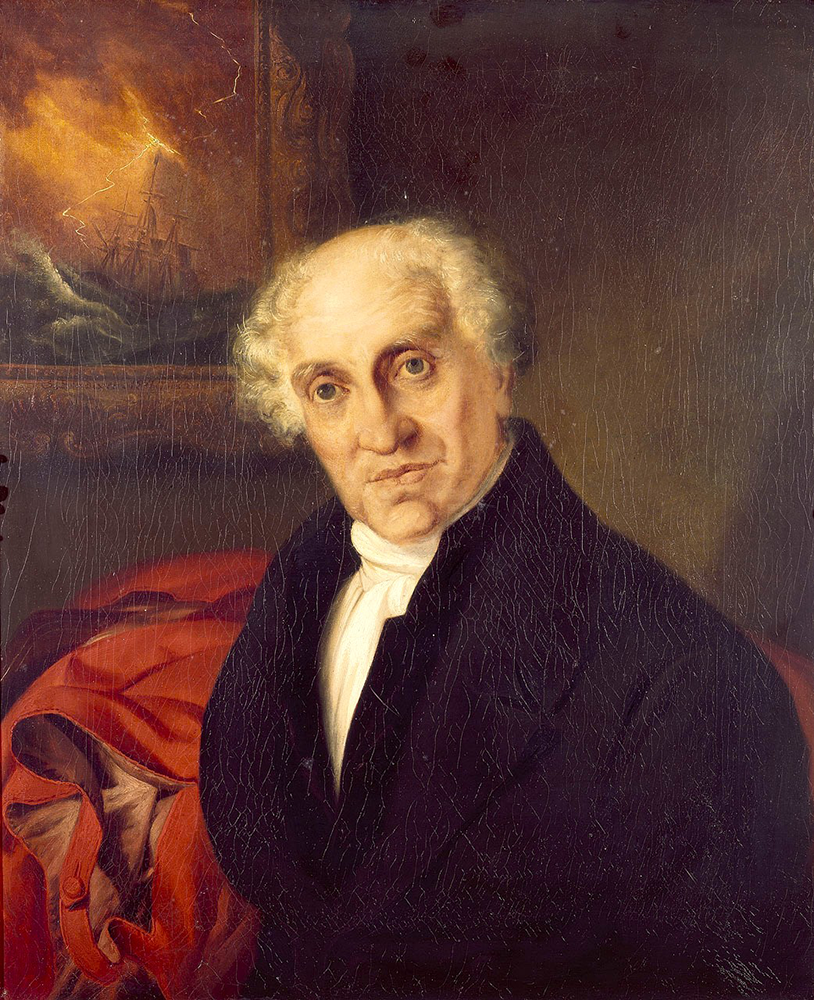 With his striking figure and direct manner our fourth Deputy Provincial Grand Master, Alexander John Scott (1768–1840) was a distinguished Anglican chaplain whose naval career placed him at the heart of some of Britain’s most defining moments during the French Revolutionary and Napoleonic Wars.
Ordained in 1793, Scott joined the Royal Navy and was initially posted to HMS Berwick in the Mediterranean. It was there he first encountered Horatio Nelson, then captain of HMS Agamemnon. Nelson later persuaded Scott to join HMS Victory in 1804 as his foreign secretary, valuing his discretion and intellect. To distinguish him from another staff member named John Scott, Nelson affectionately dubbed him ‘Doctor Scott’, a title formally conferred after Trafalgar.
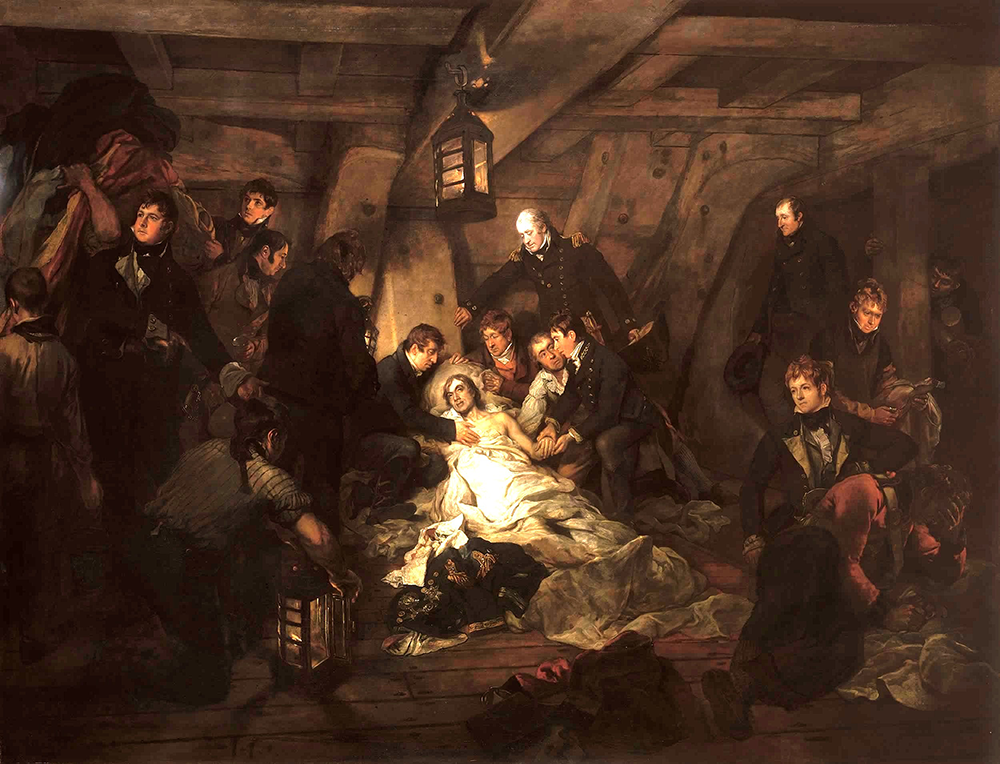
During the famous Battle, Scott was initially tending the wounded below deck but rushed to Nelson’s side upon learning of his injury. He remained with him during his final hours, gently rubbing his chest to ease the pain, a moment immortalised in Arthur William Devis’s painting ‘The Death of Nelson’. Scott accompanied Nelson’s body back to England and took part in the funeral rites. He never stopped expressing deep grief and admiration for his fallen friend.
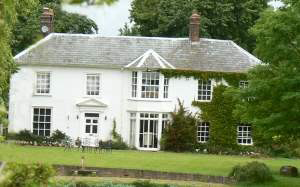
 After the war, Scott married Mary Ryder in 1807. They settled in the Vicarage on Church Road, Burnham-on-Crouch, where Scott served as Rector of Southminster. The curacy of Burnham was included with the Southminster post, so they could live locally.
As a dedicated Freemason since his naval service in the West Indies, Scott played a key role in founding the Lodge of Fortitude in Burnham, which was consecrated by William Wix, the third Provincial Grand Master of Essex in April 1809.
Fortitude was notably the last ‘Modern’ Lodge to be consecrated in the Province before the unification of the Antients and Moderns in 1813. That year Wix, who was deeply involved in the unification process through the Lodge of Promulgation, appointed Scott to become the fourth Deputy Provincial Grand Master of Essex, which he held until Wix’s resignation in 1823.
Engaging with the community, Scott was a passionate advocate for education, as were many Freemasons with their support for the Royal Masonic Institutions (for the Girls in 1788 followed by the Boys in 1798). He successfully persuaded the Governors of Charterhouse to grant £350 for the construction of a boys’ school in Southminster. Opened on 1 January 1814, the school quickly enrolled 124 boys, virtually every boy in the village.
 Encouraged by this success, Scott raised further funds and secured an additional £100 from Charterhouse to establish a school for girls. Although both original buildings have since been replaced, Scott’s legacy in local education remains significant. He also became a trustee of the existing school in Burnham and increased its income by over £50 a year through improved asset management.
In 1816, the Prince Regent appointed Scott as one of his Chaplains in Ordinary and he later accepted what he had hoped to be a better living at Catterick. He died there in 1840 and was buried at Ecclesfield in Yorkshire. Scott is remembered not only for his faith, intellect and Freemasonry but also for his enduring contributions to the community, especially in Essex.
Images:
Top: Our Fourth Deputy Provincial Grand Master, The Reverend Doctor Alexander Scott, by Bendixen 1840, courtesy National Maritime Museum, Greenwich, London
Right: Death of Nelson, 21 October 1805, by Devis 1807, courtesy National Maritime Museum, Greenwich, London
Left: The Vicarage in Burnham-on-Crouch where the Scott lived