A life of service: The story of Colonel Sir Neil Thorne OBE, TD, DL
News stories bringing the history of Essex Freemasons alive to a modern audience
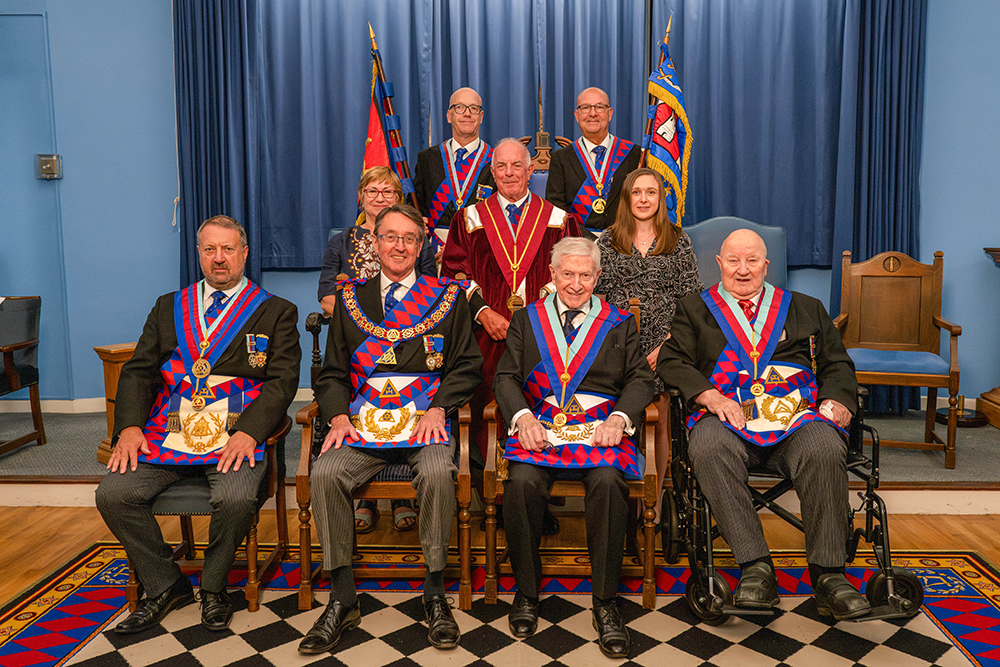
The journey of the Provincial Grand Master (PGM) and Most Excellent Grand Superintendent of Essex (MEGS) from 1995 to 2005 is defined by unwavering service, personal sacrifice, and a deep conviction in principled leadership; qualities that have left a significant imprint on post-war Britain’s military, civic, and political life as well as in the Province of Essex. On Friday 27th June 2025, Past Grand Superintendent Colonel Sir Neil Gordon Thorne OBE, TD, DL, Past PGM came to the Colchester Chapters Combined Convocation to tell his story.
Born on 8th August 1932, he grew up in Seven Kings. After attending the City of London School, he studied Estate Management at university. During his National Service in postwar Germany, due to a unique set of circumstances which occurred in his regiment, as a young subaltern of 24, he was entrusted with the diplomatic responsibility of mediating disputes between British military units and local German farmers. His calm demeanour and diplomatic finesse earned him widespread respect. After completing National Service, he had a distinguished career in the Territorial Army where he rose to the rank of Colonel.
Politics called him next. After successful stints in local government, including the Greater London Council (1967–1973), Colonel Sir Neil Thorne’s early connection with Margaret Thatcher began before she became Prime Minister. In 1973, while serving on the Greater London Council, he was invited to be a personal assistant to a cabinet minister in the Heath government who happened to be Mrs Thatcher. She became the first woman ever to buy him a meal, a gesture that still lingers in his memory given the social norms of the time.
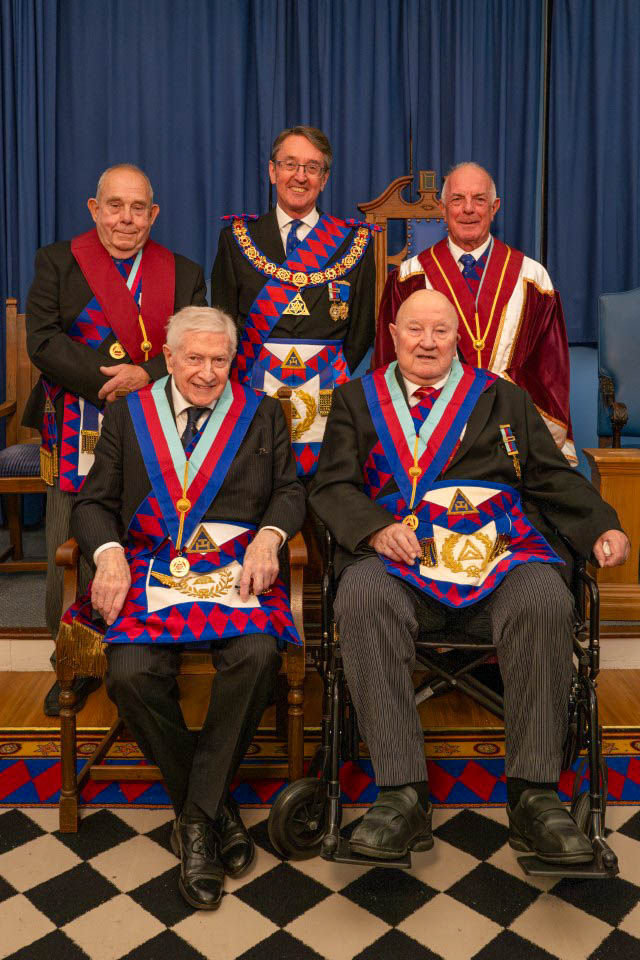 As her personal assistant, he often drove her to Finchley and, at the end of the working day, drive her back to Chelsea. He would join Denis where they’d wait while Margaret, having shed her ministerial role, cooked dinner herself. With a shared background in the oil industry, he in property valuation and Denis as a director, a friendly rapport was forged. It was a warm, domestic glimpse into a woman destined for high office, one that left him with a lasting impression of Thatcher's humanity, work ethic, and groundedness beyond politics.
Elected to Parliament himself as the Conservative MP for Ilford South (1979–1992) his time in Westminster was anything but idle. He became renowned for his work ethic and legislative craft. From 1983 to 1987, he marshalled a remarkable 22 Private Members’ Bills through Parliament, a record at the time. These weren’t symbolic gestures, but practical, forward-looking projects that transformed modern London:
- The Docklands Light Railway, sparking regeneration in East London
- The Jubilee Line Extension, improving capital connectivity
- The Heathrow Express, linking Britain’s largest airport directly with Paddington
Perhaps most consequential was his founding of the Armed Forces Parliamentary Scheme (AFPS) in 1989. Frustrated that too few MPs had firsthand military knowledge, he personally funded this initiative to embed them with active service units, fostering empathy, accountability, and understanding at the highest levels of government.
Principles above politics.
His parliamentary career was shaped not by ambition but by conviction. A traditionalist with modern sensibilities, he was unafraid to challenge the prevailing wind. He was opposed to Margaret Thatcher on the Poll Tax, believing it to be unjust and socially divisive. He viewed his role not as a party loyalist but as a servant of all his constituents, often assisting people who hadn’t voted for him simply because ‘it was the right thing to do’. His commitment to public service extended into his wallet. He shouldered the early costs of the AFPS personally, believing in its importance more than in waiting for institutional support.
A legacy of humility and impact.
Whether in military fatigues, the halls of Westminster or in Freemasonry, Colonel Sir Neil Thorne exuded quiet leadership. He was knighted for his contributions and left behind a legislative and civic legacy that still shapes UK transport and defence understanding today. He is a living example to us all, that every one of us can be principled without being inflexible, authoritative without being authoritarian, and ambitious for society rather than for self.
Honour Key: OBE Order of the British Empire – TD Territorial Decoration – DL Deputy Lieutenant
Discover more at: A History of Brotherhood and Legacy,
https://www.youtube.com/watch?v=LKFOfuGkJ7s Foundation Stone, The Official Essex Masonic Podcast
Photos: (credit Adam Terry) L to R:
Top:
Front row seated: Martyn Cartwright, Provincial Grand Director of Ceremonies (ProvGDC); Paul Tarrant, MEGS; Colonel Sir Neil Thorne; Paul Humphrey, Past PGDC.
Middle row: Susan Snell, Archivist and Records Manager Museum of Freemasonry; Tony Terry, First Principal Patriotic Chapter No. 51; Emma Roberts, Collections Manager and Registrar, Museum of Freemasonry.
Bottom:
Front Row seated: Colonel Sir Neil Thorne, Essex PGM & MEGS during 1995 to 2005 reunited with Paul Humphrey who was his ProvGDC in both Craft and Royal Arch.
Back Row: Geoff Pearce, Scribe Patriotic Chapter; Paul Tarrant; Tony Terry